
How to Paint Correct Your Car: A No-Nonsense Guide for Real Drivers
Learn how to paint correct your car like a pro. We cover tools, steps, and common mistakes so you get real results without wasting time or clear coat.
No sponsor-fluffed reviews. No fake race-car cosplay. Just tested parts, tuning judgment, and hard lessons from the garage floor.
Turbo systems, fueling, tuning strategy, heat management, engine behavior under real street load, and the ugly truths behind “easy power.”
Suspension, tires, braking, alignment, weight transfer, grip, and why most people ruin good cars by chasing the wrong handling feel.
Honest parts reviews, install notes, long-term impressions, tool recommendations, and product verdicts based only on direct use.
Opinions, build philosophy, shop lessons, stories from real projects, culture critiques, and the code behind tasteful performance builds.

Learn how to paint correct your car like a pro. We cover tools, steps, and common mistakes so you get real results without wasting time or clear coat.
Learn how to paint correct your car like a pro. We cover tools, steps, and common mistakes so you get real results without wasting time or clear coat.

How to build a sleeper car without the flash. Vincent Hale explains the parts, platform, and tuning discipline behind a street sleeper that actually delivers.

If you modify your car, do you have to declare mods to insurance? Yes. Here's why skipping it costs more than the premium. Read the hard truth.

Find the best insurance companies for modified cars in 2025. We compare Hagerty, Grundy, and more to help you protect your build without overpaying.

Learn how to diagnose engine knock with practical steps from a performance specialist. Identify detonation vs pre-ignition, tools needed, and when to seek help.

Find the best torque wrench for engine work. We test click-type, beam, and digital models for accuracy and durability on real engine builds. Stop guessing...

Cold air intake vs short ram intake – which delivers real street performance? We cut through the hype, heat soak, and dyno lies. Honest comparison for...

Bigger intercoolers promise lower intake temps. Some deliver. Others create pressure drop, block radiator airflow, and ruin drivability. Here is how to choose one that solves heat without introducing three new problems.
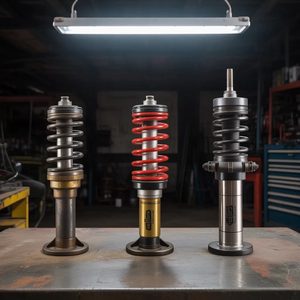
Not every street car needs coilovers. Not every budget needs lowering springs. Here is how to decide what your suspension actually needs, based on the roads you drive and the compromises you are willing to accept.
Build recipes mean nothing without context. A canyon setup fails on the Cross Bronx Expressway. Here is how to match your mods to the pavement you actually use.
Learn how to paint correct your car like a pro. We cover tools, steps, and common mistakes so you get real results without wasting time or clear coat.
How to build a sleeper car without the flash. Vincent Hale explains the parts, platform, and tuning discipline behind a street sleeper that actually delivers.
If you modify your car, do you have to declare mods to insurance? Yes. Here's why skipping it costs more than the premium. Read the hard truth.
Find the best insurance companies for modified cars in 2025. We compare Hagerty, Grundy, and more to help you protect your build without overpaying.
Learn how to diagnose engine knock with practical steps from a performance specialist. Identify detonation vs pre-ignition, tools needed, and when to seek help.
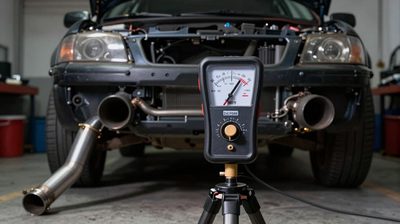
A loud exhaust makes a statement. It does not make the car faster. Here is the difference between noise and power, and why confusing them costs money, attention, and sometimes the car itself.
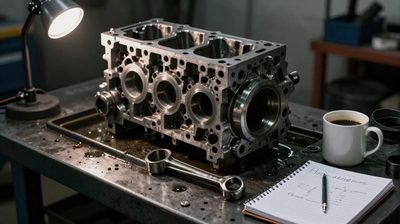
Some cars earn respect by never failing. Others earn it by falling apart and teaching you exactly what they are made of — and what you missed the first time.
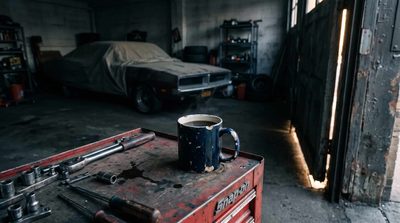
The garage at dawn is an unforgiving place. Cold engines tell the truth. Black coffee keeps the hands steady. And every bad decision I ever made started with impatience.

Speed used to be the only standard that mattered. Then I became a father. Here is what changed under the hood and behind the wheel.
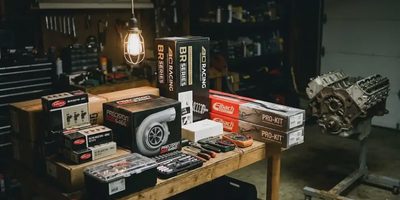
The difference between a car that works and a car that’s just expensive is not the parts. It’s the thinking that connects them.
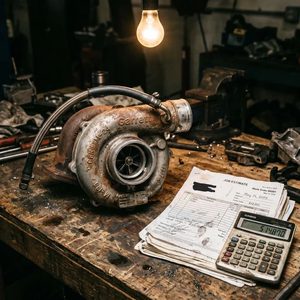
Five hundred wheel horsepower is the magic number everyone chases. The fantasy is cheap. The reality costs far more than the parts list. Here is what the number actually demands.

Turning up the boost is the easiest way to make power. It is also the easiest way to break an engine, overheat a charge, and expose every weak link in the build. Here is where the problems start.

The dyno sheet is a snapshot. The street is a documentary. Here’s why one without the other leaves power on the table — and sometimes leaves an engine in pieces.
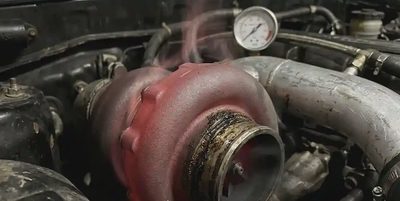
The aftermarket sells a fantasy. The garage tells the truth. Here is what “reliable power” actually costs.
Bigger intercoolers promise lower intake temps. Some deliver. Others create pressure drop, block radiator airflow, and ruin drivability. Here is how to choose one that solves heat without introducing three new problems.
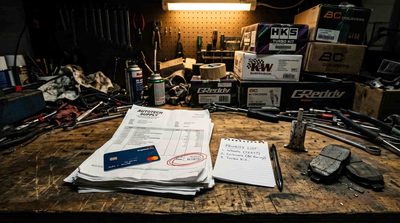
A fast car is built on a correct sequence, not a deep wallet. Here is the order of operations that separates a car worth driving from an expensive collection of bad decisions.
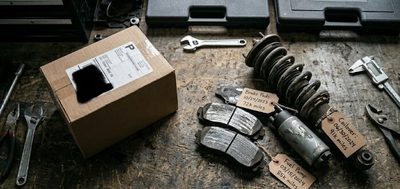
The aftermarket runs on first impressions. This garage runs on long-term use. Here is the testing standard that separates a real recommendation from a guess, and the parts that failed it.

Five tested modifications that make a street car sharper, faster, and more connected — without turning it into something you hate driving.