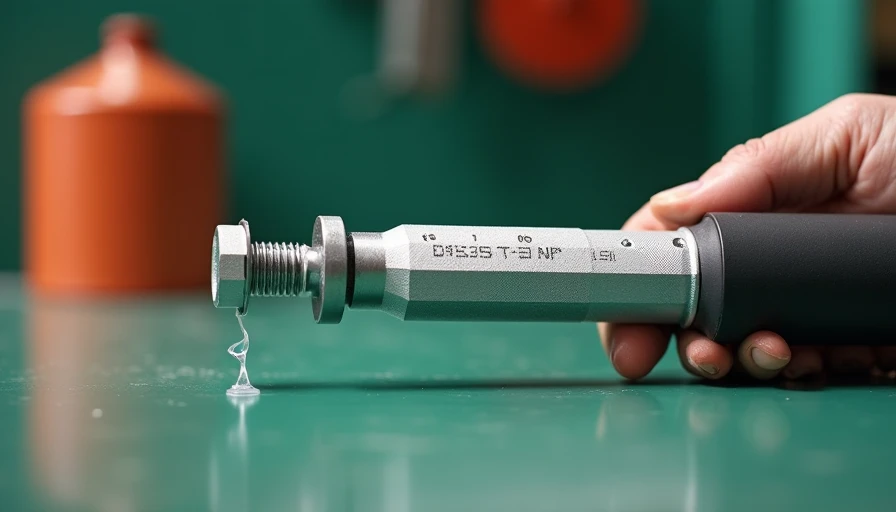
If you're rebuilding an engine or just swapping a head gasket, the best torque wrench for engine work isn't the flashiest one on the shelf. It's the one that holds calibration, fits in tight spaces, and gives you repeatable readings bolt after bolt. I've seen too many bottom ends ruined by a click that never came, or a beam that bent on the third use. This isn't a tool to cheap out on. Let's cut through the noise and find what actually earns its spot in your box.
Why Torque Precision Matters for Engine Work
Engines are assemblies of precisely clamped joints. Head bolts, main bearing caps, rod bolts—each has a torque spec that determines clamping force. Go too loose and you get leaks, blown gaskets, or bearing spin. Go too tight and you stretch fasteners, distort the block, or crack castings. A torque wrench is the only thing standing between a fresh build and a catastrophic failure. The best torque wrench for engine work gives you confidence that every critical fastener is torqued to spec. I've lost count of the engines I've seen opened up with bolts that were either rattling loose or stretched past yield because someone used a breaker bar and a prayer.
Click-Type vs Beam vs Digital: Which One Matters?
Click-type wrenches are the most common for engine work. They're tough, repeatable, and don't need batteries. But not all clicks are created equal. Cheap ones drift fast and can give a false click well before or after the set torque. For an engine build, you want a split-beam design—like the Precision Instruments PREC3FR250 or the old-school CDI torque wrenches. These don't rely on a coil spring that fatigues over time. The best torque wrench for engine work is almost always a split-beam click-type from a reputable manufacturer.
Beam wrenches are inexpensive and never need calibration, but they're hard to read in cramped engine bays and you have to hold them at eye level to get an accurate reading. Not ideal for head bolts buried under intake runners. Digital wrenches are nice for data logging and have audible/visual indicators, but they're fragile and expensive. If you're building engines every weekend, go split-beam. If you rarely torqure critical fasteners, a quality beam wrench like the Craftsman will get the job done, but it won't be as convenient.
Top Picks for the Best Torque Wrench for Engine Work
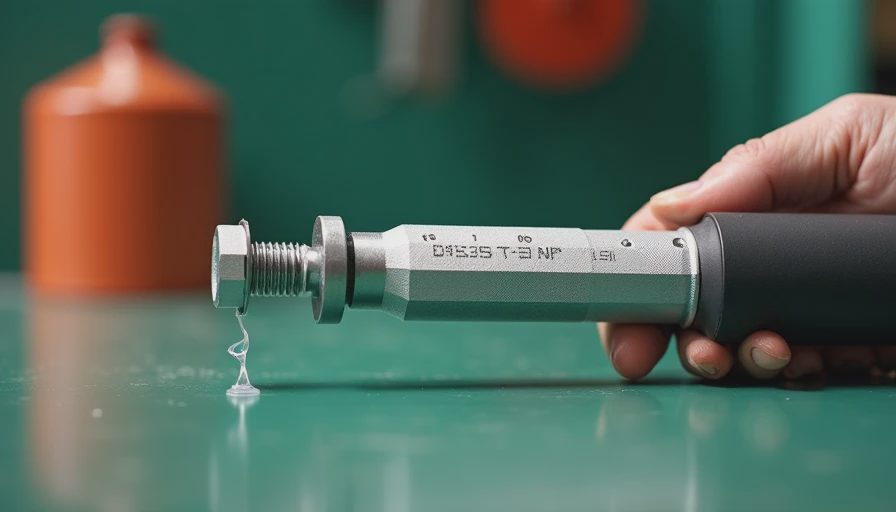
I've been through a half-dozen torque wrenches on engine builds, and these are the ones that survived the test.
Precision Instruments PREC3FR250 – This is the gold standard for engine work. Split-beam design, made in the USA, accurate within ±2%. It's the same tool independent shops and race teams rely on. The handle is comfortable, the click is crisp, and the mechanism doesn't drift after a hundred uses. For head bolts and main caps, this is the best torque wrench for engine work I've ever used.
CDI 2503MFRPH – CDI is owned by Snap-on, but costs half the price. Same split-beam internals for the most part. The 2503MFRPH covers 10-150 ft-lb, which covers almost every engine fastener. If you can't stomach the Precision Instruments price, this is your move. Just keep it in its storage box and don't drop it.
Tekton 24335 – A respectable budget option. It's a micro-adjustable click-type, not a split-beam, so recalibration is needed after heavy use. But for occasional engine work—like a valve cover gasket or a water pump—it's the best torque wrench for engine work under $50. I still prefer the CDI for anything internal, but the Tekton won't leave you stranded.
Snap-on TechAngle – If money isn't a concern and you're building high-performance engines with torque-to-yield fasteners (like modern LS head bolts), the Snap-on TechAngle does both torque and angle measurement in one tool. It's overkill for most backyard builds, but it is undeniably the best torque wrench for engine work when you need degreed torque control.
How to Care for Your Torque Wrench
A torque wrench is a precision instrument. Treat it like one. After each use, back the adjustment all the way down to its lowest setting. Store it in its case or a padded drawer. Never use it as a breaker bar—if a bolt won't turn, break it loose with a ratchet first, then switch to the torque wrench for final tightening. I've watched guys snap the internal mechanism of a Snap-on because they used it to crack a rusty manifold bolt. That's a $400 mistake.
Calibration matters. Send your wrench out for recalibration once a year if you use it professionally, or every two years for hobby builds. Many shops do it for $30-50. If you drop your wrench, stop using it until it's recalibrated. Even a small drop can throw off the click point. The best torque wrench for engine work is one that you know is accurate, not one you assume is accurate.
Final Thoughts: Don't Let a Bad Wrench Wreck Your Build
I've seen too many engine failures traced back to bad torque wrenches. Head gaskets that blow because a bolt was 15 ft-lb under spec. Rod bolts that let go because the wrench never clicked. The best torque wrench for engine work isn't an expense—it's insurance. Spend the money on a split-beam from Precision Instruments or CDI, store it right, get it calibrated, and your engine will thank you. If the budget is tight, the Tekton will work for non-critical joints, but know its limits. There's no shortcut to accurate torque. If it only looks fast, it's already a bad decision. Same goes for your torque wrench.