The Fantasy vs. The Garage Floor
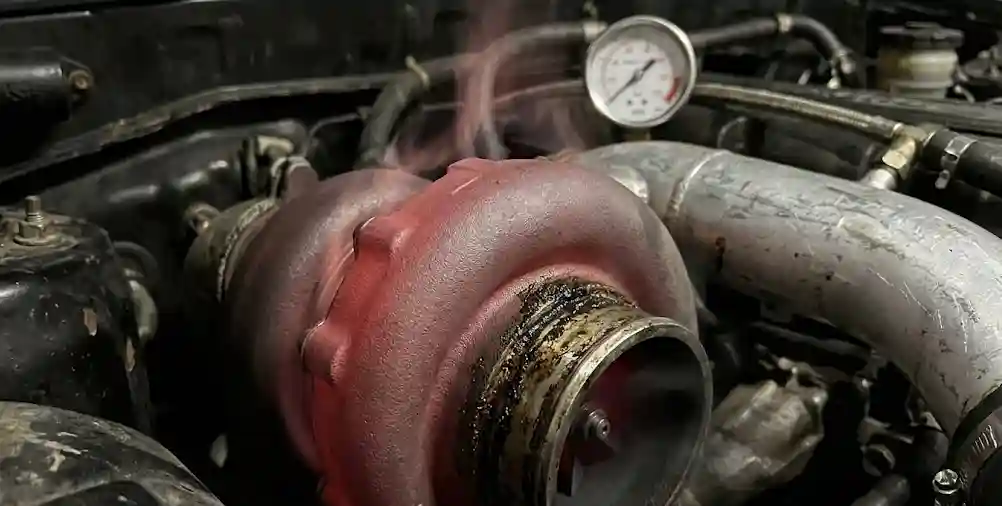
Walk into any performance shop or scroll through any forum and you will hear the same promise: 500 wheel horsepower, daily driven, zero issues. It is the holy grail of the street car world. It is also, in most cases, a lie — one paid for in cracked ring lands, heat-soaked intercoolers, and engines that run great until they don’t.
I spent over a decade cleaning up after that lie. Shops would call me when a “finished” build came back on a flatbed. The owner had been told his stock-block LS or factory-bottom-end 2JZ could handle double the factory output “all day long.” Nobody mentioned the fueling upgrades that were skipped. Nobody explained that the turbo kit they sold him would choke on backpressure above 18 psi. Nobody talked about what 500 real wheel horsepower does to a driveline that was engineered for 300.
The truth about reliable power is simple. It is expensive. It is slow to build. And it requires sacrifices that most people refuse to make.
The Three Pillars of Power That Lasts
Reliable horsepower is not a peak number on a dyno graph. It is a system that survives repeated heat cycles, bad fuel, traffic, cold starts, and the tenth pull of the day. That system rests on three things. Miss one, and the engine becomes a ticking clock.
1. Fuel Delivery
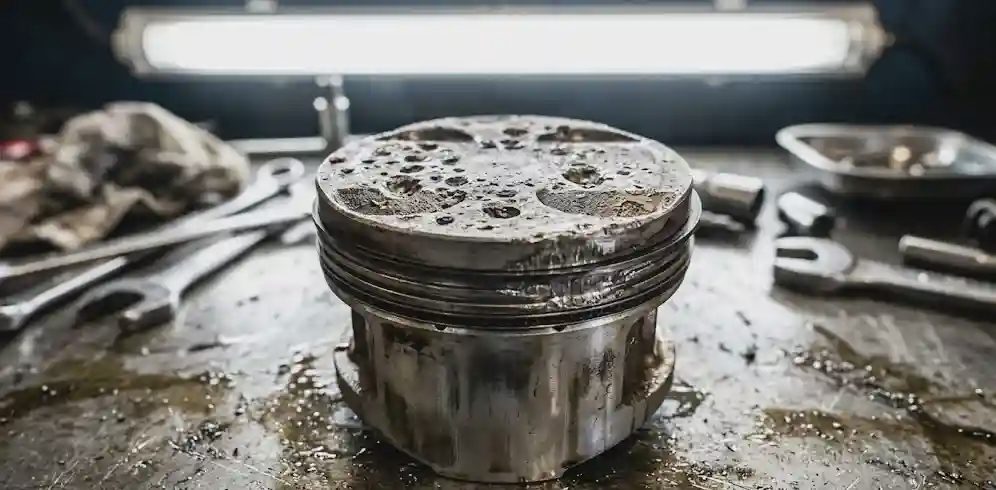
Most “budget” builds fail here first. The stock fuel pump runs out of volume under sustained load. The injectors go static. The fuel pressure regulator can’t hold a steady reference. You get a lean spike at the worst possible moment, and a piston melts before the ECU can pull timing. A proper fuel system — pump, lines, regulator, injectors, and a way to monitor pressure — costs real money. Skipping it is not a shortcut. It is a pre-paid engine rebuild.
2. Thermal Control
An engine that makes 500 horsepower on a dyno in a 65-degree room is not the same engine that sits in traffic on a 95-degree day. Underhood heat soaks the intercooler. Intake air temperatures climb past the tuner’s compensation tables. The oil thins. Detonation creeps in. The car “feels fast” until it doesn’t. A street build needs an intercooler sized for real-world airflow, not a dyno fan. It needs oil cooling that works below 30 mph. It needs a cooling system that can survive Brooklyn traffic in August.
3. The Long Block
Factory internals have a mechanical limit. Ring gaps set for stock boost levels will butt under high heat and break a piston land. Rod bolts that lived at 6,500 rpm will stretch at 7,200. The aftermarket sells “safe” power figures based on ideal conditions. Real engines live in imperfect conditions. If you want the number on the dyno sheet to still exist after 20,000 street miles, you either build the bottom end or you accept a lower power target.
What “Reliable Power” Actually Costs
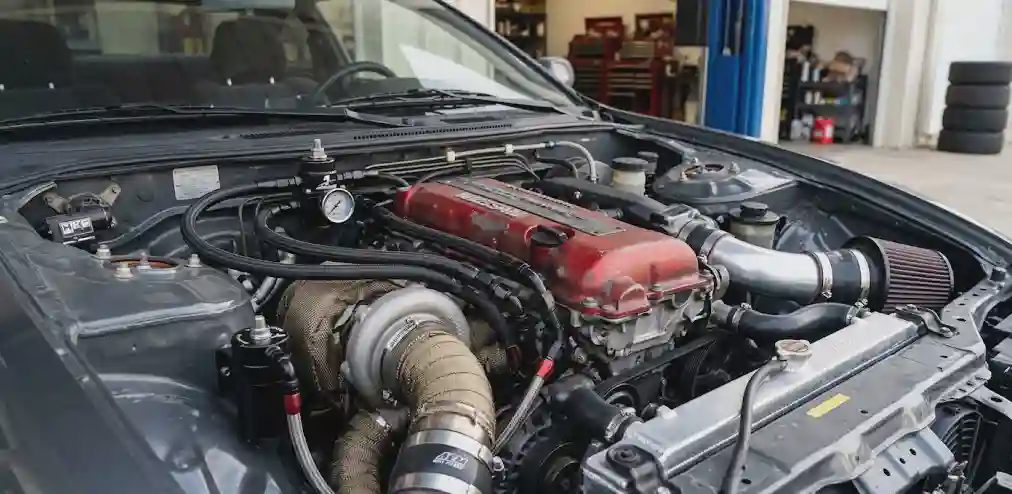
The table below is not a quote. It is a reality check. These are the supporting systems that must be addressed before you turn up the boost on any street-driven car.
What They Promise | What the Garage Actually Requires |
|---|---|
“500whp on a stock motor” | Forged internals or a modest target you won’t outgrow |
“The kit comes with everything” | Fuel pump, injectors, FPR, and lines are often separate |
“Street tune is good enough” | A load-bearing dyno tune, cold start mapping, and part-throttle correction |
“Stock clutch will hold for a while” | An upgraded clutch and flywheel rated for the actual torque |
“The cooling system is fine” | A radiator, intercooler, and oil cooler sized for traffic, not highway pulls |
“Run it on pump gas” | Pump gas plus octane variability — which may mean water-methanol injection or a flex-fuel sensor |
The money you save by ignoring these items does not stay saved. It becomes a tow truck bill, a set of damaged pistons, and a conversation you will hate having with yourself at midnight.
The Real Definition of Reliable
In my shop, “reliable” means the engine runs the same at 10,000 miles as it did at 500. It means you can take a road trip without logging knock counts every ten minutes. It means the power is there when you ask for it — and absent when the oil is still cold, because the tune has proper protection tables.
That level of reliability does not come from a parts list. It comes from a build philosophy that treats the car as a complete system. It comes from a tuner who spends as much time on idle recovery and heat soak compensation as he does on the wide-open-throttle table. It comes from choosing parts that work together, not parts that look good on a spec sheet.
If you are not ready to pay that price — in money, time, and mechanical respect — then you are not ready for “reliable power.” You are ready for a short, expensive relationship with a tow truck.
Good power is usable power. Everything else is just noise.