If you want to know how to build a sleeper car, start by forgetting everything you think you know about making a car fast. A sleeper isn’t about big wings, loud exhausts, or flashy graphics. It’s about taking something that looks ordinary and making it genuinely quick without tipping off the guy in the next lane. That means discipline, good parts choices, and a willingness to leave the ego at home.
What Is a Sleeper Car?
A sleeper looks stock but runs hard. It’s the unassuming Honda Accord that walks away from a Mustang GT at a stoplight. The wagon that pulls on a Corvette from a roll. Sleepers have been around since the factory days, but the best ones are built, not bought. They require judgment: every mod must serve performance without announcing itself. If it only looks fast, it’s already a bad decision.
The appeal isn’t just surprise. Sleepers often drive better than their flashy counterparts because they’re not weighed down by heavy aero or compromised by stanced suspension. They’re practical, stealthy, and cheaper to insure since nobody suspects the extra power.
Choose the Right Platform
Not every car is a good sleeper candidate. You need something with a strong aftermarket, a quiet stock presence, and a chassis that can handle more power. Japanese sedans from the 2000s are prime material: the Mazdaspeed 6, Subaru Legacy GT, or even a well-conditioned Lexus IS 300. American options include the Chevrolet SS (though it’s already a bit obvious) or a Ford Taurus SHO. The key is finding a car that blends into traffic but responds well to boost.
Avoid cars that scream “modified” from the factory, like an STI with its big wing or a Focus RS with its aggressive bodywork. The whole point is anonymity.
Engine Mods: Go Fast Without Telling Everyone
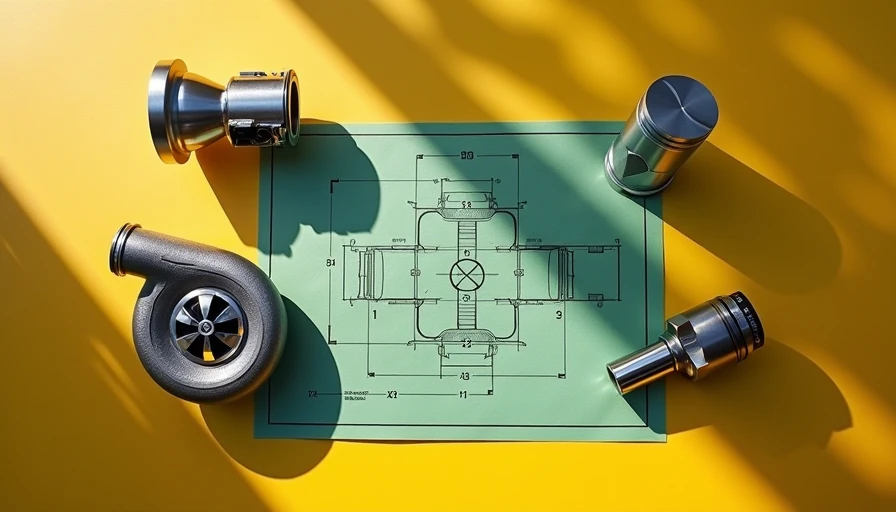
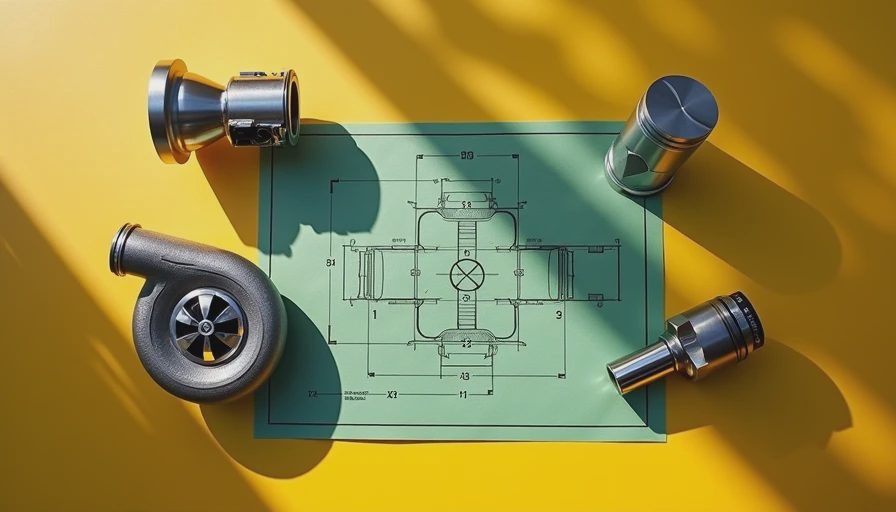
Start with the turbo. A BorgWarner EFR 6258 or a Garrett GTX2860R offers excellent response and spool without needing a massive external gate that everyone can hear. Match it with a good intercooler — something like a Bell intercooler core in the stock location or behind a bumper that doesn’t require cutting. Piping should be aluminum, mandrel-bent, and routed to keep noise down.
Fueling is critical. Walbro 450 or AEM 340 pump, ID1050x injectors, and a proper flex-fuel sensor if you want ethanol. Tuning is where the magic happens. A Haltech or MoTeC standalone lets you dial in the power delivery so the car drives smooth at part throttle and pulls hard when you need it. Expect around $2,000 for a well-sorted turbo kit, intercooler, and piping. Injectors and pump add another $800. Tuning is $500–$1,000 depending on dyno time.
Chassis and Drivability: The Unseen Upgrades
Power without control is just a disaster waiting to happen. Sleeper suspension needs to look stock but work better. Coilovers from FEAL or Ohlins with a spring rate that keeps the car flat without rattling your teeth. Stock-height or factory replacement springs with upgraded dampers can work if you don’t want the drop. Replace bushings with polyurethane or sealed spherical bearings.
Brakes: Keep the stock calipers but swap to StopTech Street Performance pads or a quality two-piece rotor from Girodisc. For a 3,000-pound car, spending $400 on brake upgrades saves you from replacing a wall.
Tires are the most visible performance mod, so choose carefully. A high-performance all-season like the Michelin Pilot Sport All Season 4 in the stock size won’t draw attention but provides grip in most conditions. If you can get away with summer tires, the Continental ExtremeContact Sport or Bridgestone Potenza RE-71RS are great without looking extreme.
The Exhaust Dilemma: Quiet Power
A loud exhaust ruins the sleeper effect. The goal is to let the gas out without telling everyone your business. Use a catalytic converter — not a test pipe — and a muffler that flows well but stays quiet. Borla makes a touring system for many cars that is surprisingly tame at idle. If you need custom work, a 2.5-inch system with a resonated midpipe and a Magnaflow muffler usually does the trick. Expect under $600 for a mild system.
Tuning and Reliability: The Hard Part
Building a sleeper means living with the power every day, so reliability matters. Don’t push the engine to its limits just for a dyno number. Leave a safety margin — if the stock internals can handle 350 horsepower, tune for 320. Use a decent oil cooler (Setrab or Earl’s) and keep an eye on coolant temps with a good radiator. A Mishimoto or CSF radiator for $300–$500 is cheap insurance.
Regular maintenance becomes even more important. Check plugs, coils, and injectors every 20,000 miles. A sleeper that breaks down in traffic is not a sleeper; it’s just a disappointment.
Final Thoughts
Knowing how to build a sleeper car is about restraint. Every modification should be invisible or at least inoffensive. The car should look like it rolled out of the factory, but under the hood it’s a different story. If you can resist the temptation to add stickers, a loud exhaust, or a huge wing, you’ll have a car that surprises people where it actually matters — on the road. That’s the real pleasure of a sleeper, and it’s a pleasure that never gets old.